Pattern recognition. Signal detection. Link analysis. Connecting the dots. No matter what you call it, one of the core principles of intelligence and pattern analysis is that seemingly unrelated pieces of information often make more sense when viewed together than when viewed separately.
A workforce issue. A transportation regulation. A tax credit. An equipment rule. A workplace safety standard.
At first glance, those topics don’t appear to have much in common. But after reviewing a recent update from TCIA’s lobby team in Washington, D.C., I was reminded that they all connect back to the same place: the businesses and professionals who make up the tree care industry.
A transportation rule can affect whether crews and equipment get where they need to go. A workforce policy can influence hiring decisions. A tax credit can change the economics of bringing someone onto your team. An equipment regulation can impact the tools you use every day. A state workplace safety standard can alter operational requirements years before it is fully implemented.
Take commercial driver regulations. Earlier this month, TCIA submitted comments on a Federal Motor Carrier Safety Administration proposal involving enforcement of English-language proficiency requirements for commercial drivers. While the requirement itself is not new, how it is enforced matters. TCIA’s comments focused on making sure regulators understand the realities of tree care, utility vegetation management, and other non-freight operations so enforcement is practical and consistent.
Workforce issues remain front and center as well. The first-half FY2027 H-2B visa cap has already been reached, and TCIA continues to work with the H-2B Workforce Coalition to encourage the release of supplemental visas authorized by Congress. For many seasonal employers, those workers can play an important role in meeting customer demand and maintaining operations.
TCIA is also supporting efforts to renew and strengthen the Work Opportunity Tax Credit, which encourages employers to hire individuals facing barriers to employment, including veterans. The proposal under consideration would extend the credit, increase its value, and expand eligibility.
Equipment policy remains on the radar too. We continue to monitor congressional efforts related to California’s Small Off-Road Engine rule. Whether you follow the issue closely or not, it is a reminder that equipment regulations developed hundreds or thousands of miles away can still affect the companies that perform tree work every day.
State-level legislation is also worthy of our attention. Virginia recently began the process of developing a heat illness prevention standard covering indoor and outdoor work. Final requirements are still years away, but early discussions often shape the direction of a rule. That is why engagement and monitoring matter long before a regulation is finalized.
When viewed separately, these issues may seem unrelated. One involves transportation. Another involves workforce development. Another concerns taxes, equipment, or workplace safety. Viewed together, however, they tell a different story and demonstrate why effective advocacy requires paying attention to much more than legislation with “tree care” in the title. Decisions made by federal agencies, state regulators, Congress, and state legislatures can all find their way to a tree care business’s doorstep.
Trees themselves offer a useful reminder. What happens at the roots eventually affects the trunk, the branches, and the canopy. Public policy works much the same way.
Many of the issues shaping the future of tree care begin somewhere else entirely. The challenge, and the opportunity, is recognizing those connections before everyone else does.
And if there’s one lesson from this week’s update, it’s that advocacy isn’t just about tree care issues. Sometimes it’s about recognizing a tree care issue before everyone else does.
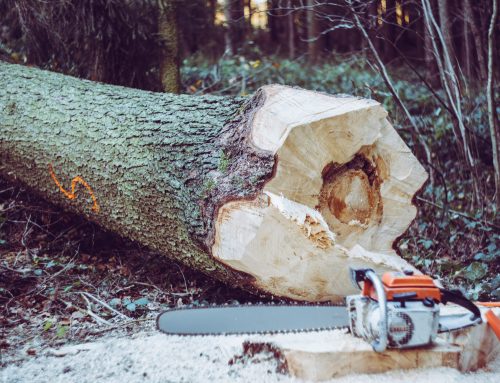
Photo by Tomás Robertson on Unsplash