One of the lessons I’ve learned in advocacy is that relationships often matter just as much as regulations. Long before a law is passed or a rule takes effect, policymakers are gathering input, evaluating options, and deciding whose perspectives will help shape the final outcome. This week’s update highlights several developments where TCIA is working to ensure the tree care industry’s voice is part of the conversation. These issues reinforce why we invest time in building relationships, participating in rulemakings, and engaging early in the policymaking process.
Secretary of Labor Nominee Advances
The Senate Health, Education, Labor & Pensions (HELP) Committee voted along party lines to advance Keith Sonderling’s nomination for Secretary of Labor to the full Senate. Sonderling, who has served as Acting Secretary since April, was previously confirmed by the Senate in March 2025 as Deputy Secretary of Labor. Ahead of the committee vote, TCIA submitted a letter to the HELP Committee supporting his nomination. The nomination now awaits consideration by the full Senate.
By engaging early in the nomination process, we continue building credibility with the Department of Labor as OSHA advances the Tree Care Operations rulemaking, which remains one of TCIA’s highest advocacy priorities. Decisions made by labor leadership today will influence the regulatory environment our members operate in for years to come.
California Small Off-Road Engine (SORE) Waiver Faces Congressional Challenge
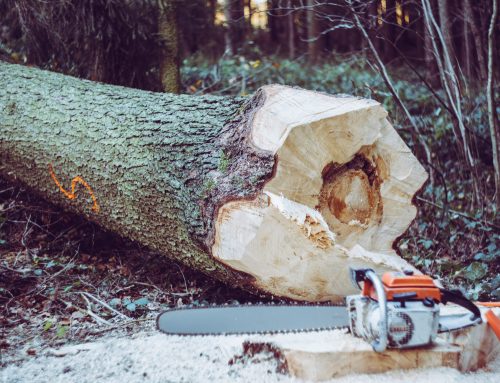
Congress may soon consider legislation to overturn an EPA decision that allows California to move forward with new zero-emission requirements for certain small off-road equipment, including chainsaws and other equipment commonly used in tree care. Supporters of the challenge argue that the California requirements could affect equipment availability, costs, and product choices for businesses that rely on gas-powered equipment. TCIA recently submitted a letter supporting the congressional effort.
While the proposal is focused on California, the outcome could have broader implications for manufacturers and tree care companies across the country. Equipment availability, cost, and technology mandates have the potential to affect tree care businesses nationwide as manufacturers respond to changing regulatory requirements. TCIA’s involvement reflects our broader goal of ensuring members retain practical, affordable, and reliable equipment options while policymakers consider environmental objectives.
Virginia Heat Illness Rulemaking
Virginia has launched the process of creating a workplace heat illness prevention standard, with regulators and stakeholders now beginning work on the details.
For TCIA, this is the kind of development worth watching early. Workplace heat regulations are receiving increased attention across the country, and discussions taking place in Virginia today could influence future conversations elsewhere.
Keep in mind that state-level standards are often indicators of broader regulatory trends. As more states consider heat regulations, TCIA’s goal is to ensure policymakers understand the realities of outdoor tree care work and develop requirements that improve worker safety while remaining workable for employers. Monitoring these early-stage discussions helps us engage before policies are finalized rather than reacting after the fact.
FMCSA Advances Commercial Driver Language Rule
Federal regulators are moving forward with a proposal that would make violations of existing English language proficiency requirements an out-of-service offense for commercial drivers. If finalized, drivers who do not meet the requirement could be prohibited from operating commercial vehicles until the issue is resolved.
This is a good example of why TCIA closely follows commercial driver and CDL-related issues. Tree care companies depend on commercial vehicle operators to transport crews, equipment, and materials, and changes in enforcement can have real workforce and operational impacts. Our role is not only to monitor these developments but also to gather member feedback and ensure regulators understand how implementation affects businesses on the ground.
Wildfire and Vegetation Management Standards
The North American Electric Reliability Corporation (NERC) continues to advance a multi-year effort to reduce wildfire risks associated with electric transmission infrastructure. Recent actions include the development of new wildfire planning guidance, outreach to utilities and government agencies, and an evaluation of potential updates to vegetation management standards for additional electric facilities.
This work directly aligns with TCIA’s long-term objective of ensuring professional arborists and vegetation management contractors have a seat at the table as wildfire policy evolves. These efforts could influence how utilities approach vegetation management, wildfire prevention planning, hazard tree identification, and power shutoff decisions in high-risk areas. NERC is also expected to examine whether existing vegetation management standards should apply to a broader range of transmission facilities. TCIA is monitoring these developments closely because they could affect future utility vegetation management practices and the role of tree care professionals in wildfire mitigation efforts.
While these issues on the surface may seem unrelated, they all illustrate the same reality: policy decisions rarely emerge overnight. They are shaped through years of conversations, stakeholder input, technical guidance, and regulatory development. TCIA’s role is to ensure the tree care industry is represented throughout that process so that the practical realities of our work are considered before decisions are finalized. Whether the issue is workforce development, equipment standards, safety regulations, or wildfire mitigation, our goal is the same: ensure the tree care industry’s expertise is part of the conversation before the decisions are made.
Have a great weekend!